
Toward a Greener Future
We are actively working to reduce CO2 emissions, conserve water, and minimize our environmental footprint. Initiatives include switching all company lighting to LED, replacing company vehicles with hybrid, electric, and hydrogen-powered models, and introducing single-use bioreactors in our manufacturing processes to reduce water usage and boost operational efficiency. In July 2022, we established an Environmental Committee to strengthen our efforts toward carbon neutrality. The committee sets environmental goals based on core policies and materiality and monitors progress toward them.At our Kobe Science Park Center, which began operations in November 2022, we have adopted renewable energy sources such as solar power.
1. Recycling industrial waste (waste plastics)
Since FY2022, we have been working to select global environmentally friendly waste collection, transport, and intermediate treatment operators, and to strengthen our understanding and sorting of different types of industrial waste. This is intended to optimize disposal methods and monitor the volume of waste plastics disposed, as issues in recycling and reuse of industrial waste (waste plastics) and improving recycling rates. As part of future efforts, in FY2023 we will actively promote material recycling of waste plastics discharged by our production sites. We are working to help mitigate the global environmental burden by reducing CO2 emissions, conserving depletable resources, and extending the life of landfills through thermal recycling of waste plastics for which material recycling is difficult, and by converting them into recycled solid fuels—alternatives to fossil fuels—including RPF*1 (solid fuel made from waste plastics and paper waste) and fluff*2 (shredded soft plastic).
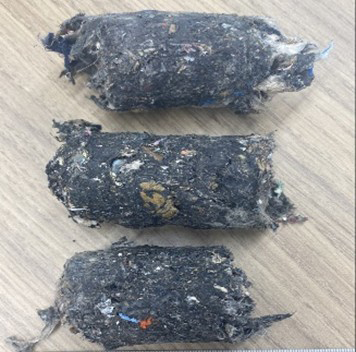
*¹Refuse Paper & Plastic Fuel (RPF): A high-grade solid fuel made primarily from waste plastics, with a calorific value comparable to coal. It not only offers excellent handling and storage properties, but also advantages in terms of economy and CO2 reduction.
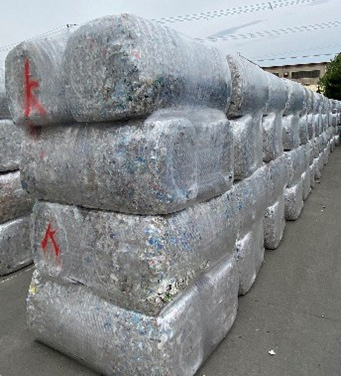
*²Fluff fuel: Fluff fuel is produced by sorting and shredding waste plastics. Compared to RPF fuel, derived from general waste plastic, fluff fuel is characterized by a low environmental impact since it requires no process for adding heat.
2. Consideration for biodiversity and proper management of chemicals and hazardous substances in wastewater management
In order to minimize our impact on biodiversity, we appropriately manage methods for handling and disposing of chemical substances used in R&D and manufacturing based on risk assessments. In addition, sewage containing chemical substances and hazardous materials generated at each production site is properly treated via the wastewater treatment system described below. We then monitor the effluent to ensure it is discharged into the public sewer system at levels at or below the standards required by law.
Wastewater treatment tank using yeast (new production site)
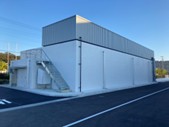
Because drug substance manufacturing often generates highly concentrated BOD, we have installed a system that uses yeast to decompose the BOD and includes compliance with wastewater regulations. Chemical dosing via a continuous neutralization device capable of neutralizing manufacturing wastewater is also used to adjust pH values to within values permitted by wastewater regulations; the wastewater is then discharged into the public sewer system.
Virus inactivation equipment (new production site)
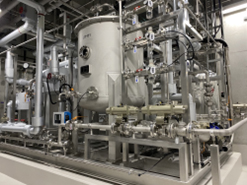
We have installed a system to inactivate microorganisms, viruses, etc. contained in wastewater from the process of manufacturing biopharmaceuticals and other products. This process ensures that sewage is disinfected and discharged into the public sewer system with consideration for the environment.
3. Consideration for the surrounding residential environment at the new production site
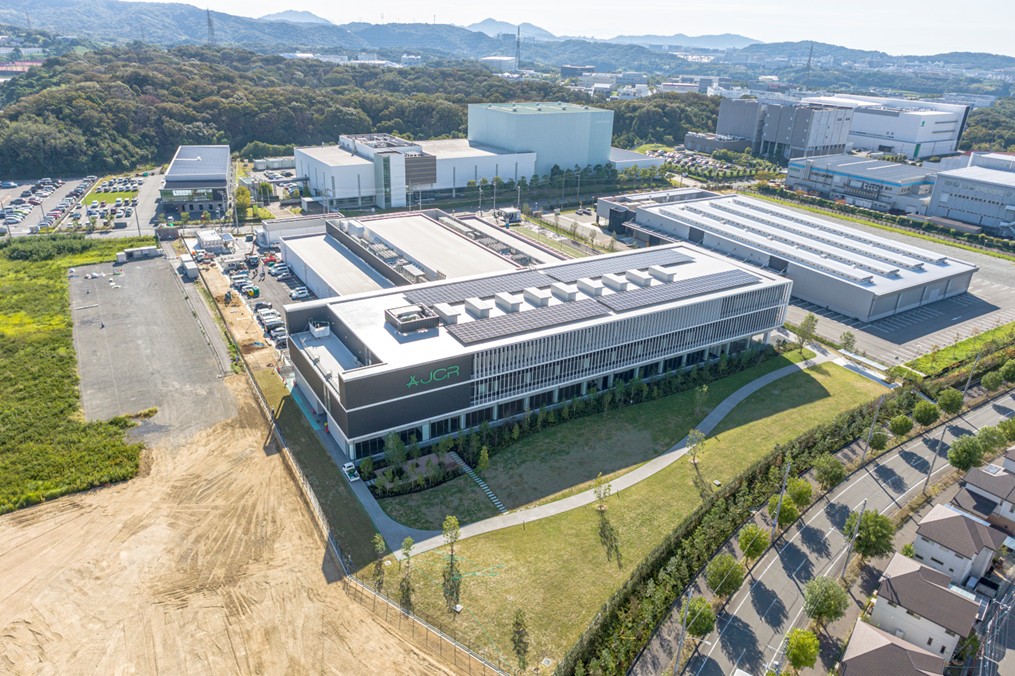
At the Kobe Science Park Center, manufacturing facilities and equipment that generate noise and wastewater odors, etc., are located on the factory side of the property, while the office building is located on the residential side in consideration of the need to preserve the residential environment for the people who live near the factory.
4. Other initiatives
- We use rental uniforms made of recycled materials, and used uniforms are collected and recycled as raw material, contributing to a reduction in the use of petroleum-derived raw materials.
- We are reducing the use of copy paper by going paperless (digitizing documents and records related to GMP).
- We also use paper products with a FSC certification mark (switch completed in some departments, with plans for Company-wide rollout going forward).
- We use 100% recycled toilet paper (with flushable cores and wrappers). (Switch completed in some departments, with plans for Company-wide rollout going forward.)
- We are switching electric cars used as company vehicles to long-range models.
Energy Use
At the Kobe Science Park Center, completed in November 2022, 588 solar panels installed on the office building’s rooftop supplied 7.1% of the site’s annual electricity needs with power derived from renewable sources, effectively generating zero CO2 emissions. Additionally, solar panels installed at our research facility produced 53,008 kWh of electricity over the year, which was sold back to the grid, contributing to the broader adoption of renewable energy in society. We are proactively promoting the use of renewable energy at the site, including solar power. Since FY2021, JCR has disclosed its energy usage data in alignment with the recommendations of the Task Force on Climate-related Financial Disclosures (TCFD).
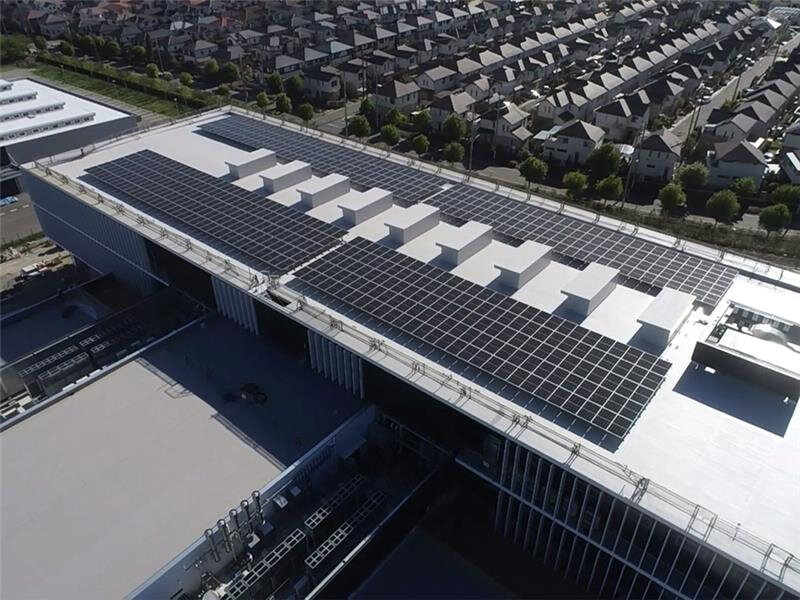
Solar power generation panels that have been installed over the entire roof of the Kobe Science Park Center office building
Water Resources
With expanding operations, our water consumption has also increased. To use this limited resource more effectively, we are actively reducing water used in research and manufacturing and promoting the recovery and reuse of waste steam.