

Patients and families
Facing the Challenges of Rare Diseases
Around 350 million people worldwide live with a rare disease, roughly one in every 25 individuals. For many, effective treatments have yet to be established, leaving patients and their families to navigate limited options while holding on to hope.
JCR Pharmaceuticals is dedicated to developing therapies for rare diseases. Building on our proprietary biotechnology and expertise in cell and regenerative medicine, we continue to deliver innovative treatments to those who have long had few choices.
We stand with patients who are facing rare disease at this very moment, and with the families who support them. We are committed to creating a world where no one has to live without treatment, not only for those affected by rare diseases today, but for all who will come after them.
This is our mission.
About Rare Diseases
Rare diseases are conditions that affect a very small number of people. Although each disease impacts relatively few patients, more than 6,000 rare diseases have been identified worldwide, and an estimated 300 million people are living with one of them. In Japan, patients with rare diseases account for less than 0.04% of the population. 80% of rare diseases are genetic, and 95% have no approved treatment options.
Lysosomal Storage Disorders (LSD)
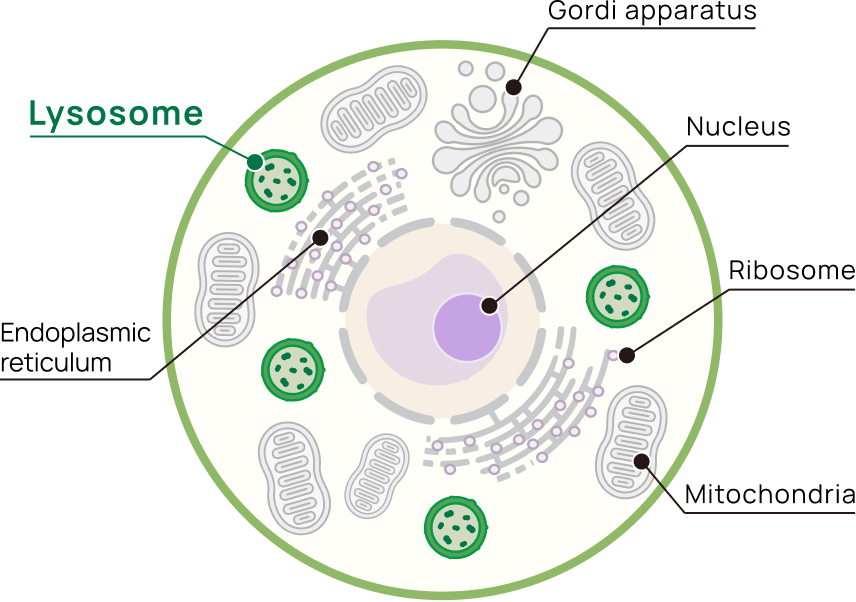
Lysosomes are intracellular organelles that break down and recycle substances no longer needed within cells, using enzymes to degrade and metabolize waste materials.
When a specific enzyme is missing from birth or does not function properly, certain substances cannot be broken down and build up within cells, leading to symptoms that differ depending on the enzyme involved. More than 50 types of LSD have been identified to date.
Pathogenesis of Lysosomal Diseases

Lysosomes break down and recycle substances no longer needed within cells.
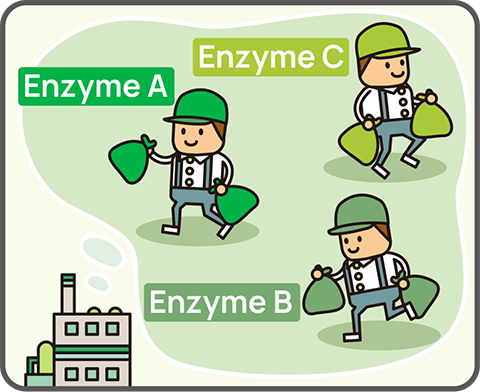
Enzymes in lysosomes degrade and metabolize waste materials inside and outside the cell.
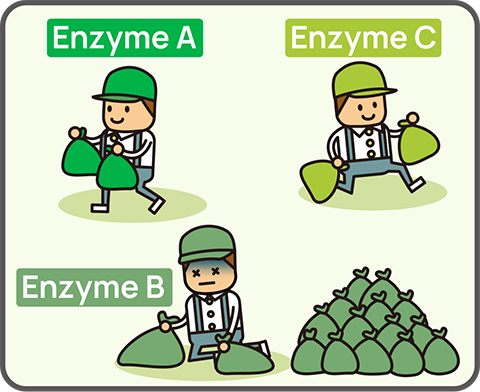
If a specific enzyme is missing from birth or does not function properly, these substances accumulate.
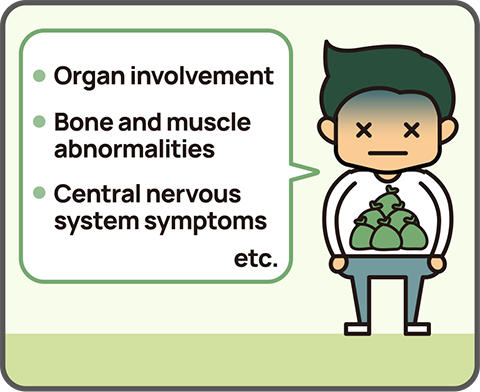
Accumulation in different tissues leads to organ damage, musculoskeletal abnormalities, or neurological.
Major Lysosomal Storage Diseases
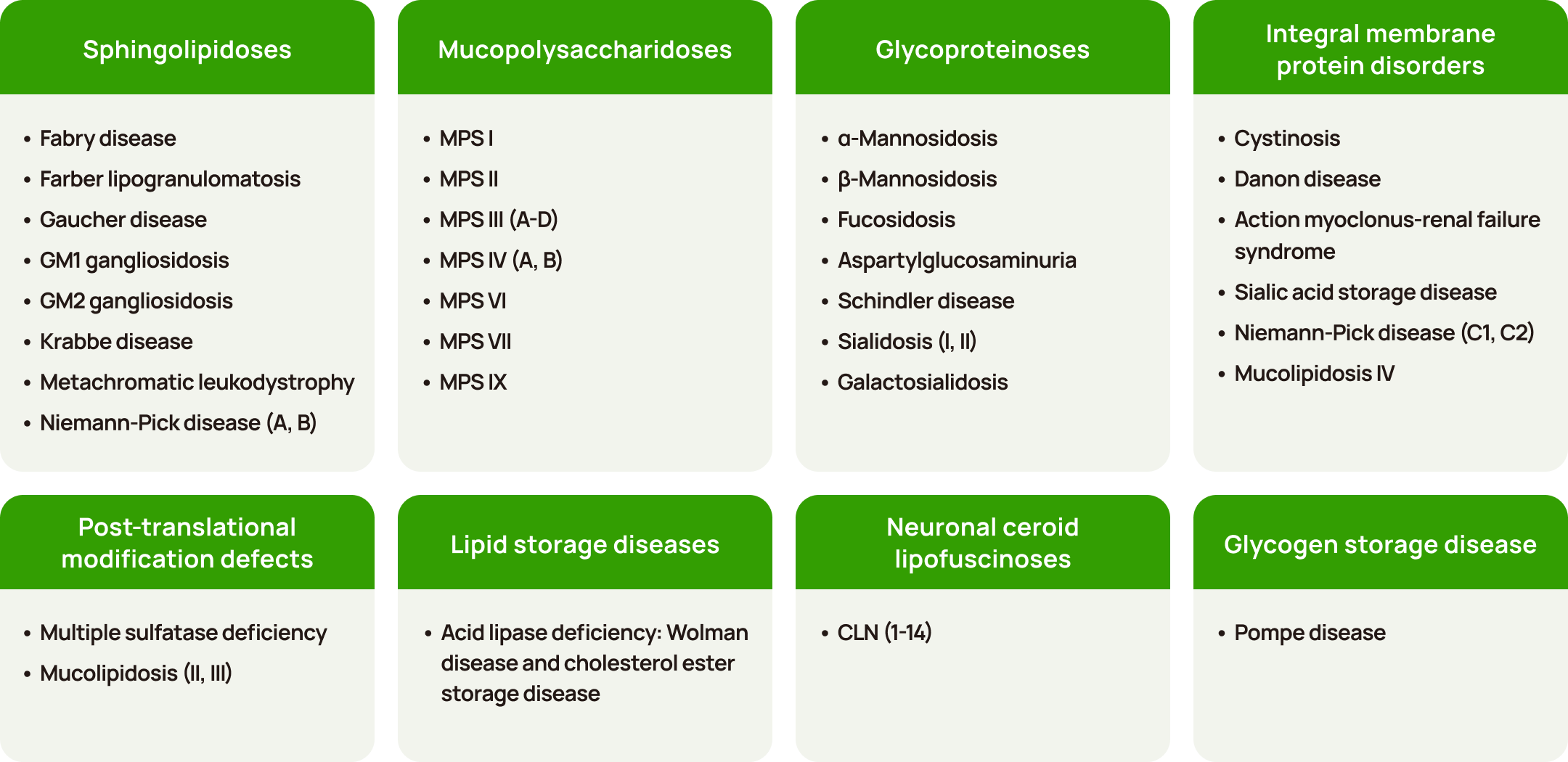
La Cognata V, et al. Highlights on Genomics Applications for Lysosomal Storage Diseases. Cells. 2020; 9(8): 1902.
Growth Hormone Deficiency
Growth hormone is secreted by the pituitary gland. It acts directly on cartilage, bone, liver, fat, muscle, the heart, blood vessels, kidneys, the brain, and lymphocytes, or stimulates the production of IGF I*. Its main functions are to promote growth and regulate metabolism. Although essential for physical development in children, it also regulates metabolism in adults and remains important throughout life.
Growth hormone deficiency presents differently in children and adults, causing short stature and other physical symptoms in children, and metabolic symptoms in adults.
- *IGF IInsulin like growth factor I is produced in response to growth hormone and is involved in the metabolism of sugars, bones, and proteins